
Act 16 in Bulgaria: what it is and when it is issued
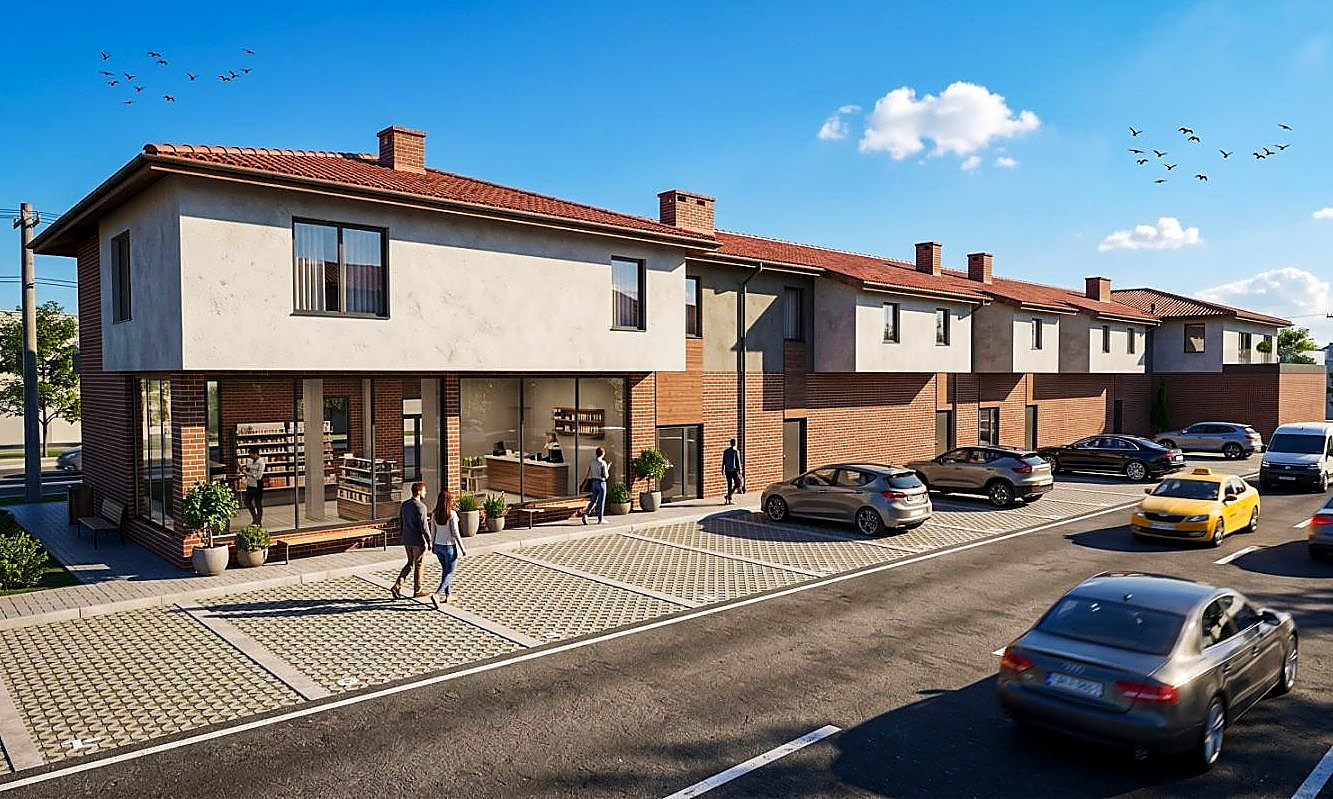
Act 16 is the protocol in which a state acceptance commission confirms that a finished category I–III building is fit for use; on that basis the DNSK (National Construction Control Directorate) issues a use permit. Among residential buildings, that means high-rise ones. Category IV and V buildings — medium- and low-rise — are commissioned with a certificate of commissioning from the authority that issued the building permit. Solna 59 is category V: its certificate is issued by the chief architect of Pomorie Municipality within 7 days, and the document can be checked in the Unified Public Register of Spatial Development (protocol form 16 under Ordinance No. 3 of 2003; Art. 177(3) of the Spatial Development Act).
What do Act 14, Act 15 and Act 16 mean?
They are forms from Ordinance No. 3 on the acts and protocols drawn up during construction. Act 14 is the act accepting the structure: the structural designer, the contractor and the supervisor for the structural part confirm that the frame matches the design. Act 15 is the statement of findings under Art. 176 of the Spatial Development Act (ZUT): the client, designers, contractor and supervisor confirm that the works are complete as designed, and with it the contractor hands the building over to the client. Act 16 is the state acceptance commission's protocol, after which a category I–III building receives its use permit. Completion of the shell ("rough construction"), often associated with Act 14, is recorded in a separate protocol under Art. 181(3) ZUT.
Who issues Act 16?
A state acceptance commission appointed by the head of the DNSK at the client's request. Its members include the client, the construction supervisor and representatives of the specialised control bodies. The commission inspects the building, reviews the documents and draws up protocol form 16 proposing either a use permit or a refusal. The use permit itself is issued by the DNSK.
How long does Act 16 take?
Ordinance No. 2 of 2003 sets a time limit for each step, from appointing the commission to issuing the use permit, and the pace also depends on whether the client's documents are ready. For Solna 59 the route is shorter: as a category V building it receives a certificate of commissioning, issued within 7 days (see below).
Which buildings get no Act 16?
Category IV and V construction — for example, medium- and low-rise residential buildings. Under Art. 177(3) ZUT they are commissioned with a certificate of commissioning from the authority that issued the building permit. It is issued within 7 days of the application — after the documents are checked, and on site if needed. Both use permits and certificates are published in the Unified Public Register of Spatial Development, so a building's document can be checked.
Apartment with Act 16 — what to check?
Look up the building's category in the building permit: it decides whether there will be a use permit with Act 16 or a certificate of commissioning. A promise of "Act 16" for a category IV or V building is a reason to ask which document will actually be issued. Solna 59 is a category V building and is commissioned with a certificate from the chief architect of Pomorie Municipality, a document that is issued faster and can be checked in the public register. Moving in follows commissioning — from then on, living in the apartment is fully lawful (Art. 178(1) ZUT).
Can you buy an apartment before Act 16?
Yes. The preliminary contract is made in writing (Art. 19 of the Obligations and Contracts Act, ZZD), and the notarial deed for an individual apartment can be signed once the building is completed to rough construction (Art. 181(2) ZUT). How to protect yourself in such a purchase is covered in the guide "Off-plan apartment in Bulgaria".
Frequently asked questions
What is Act 16 in Bulgaria?
Protocol form 16 of the state acceptance commission, on the basis of which the DNSK issues a use permit.
Who issues Act 16?
A state acceptance commission appointed by the head of the DNSK.
What is the difference between Act 14 and Act 16?
Act 14 accepts the structure during construction; Act 16 accepts the whole finished building for use.
Does every new building have Act 16?
No — only category I–III construction; categories IV and V are commissioned with a certificate.
Can you live in the apartment before the building is commissioned?
Moving in follows commissioning — from then on, living in the apartment is fully lawful (Art. 178(1) ZUT).
How much does Act 16 cost?
There is no separate fee for the buyer: the costs of commissioning are borne by the client (the developer), not the buyer.
Are Act 16 and a use permit the same thing?
No. Act 16 is the state acceptance commission's protocol (form 16), and the use permit is the document the DNSK issues on that basis for category I–III buildings. For categories IV and V there is instead a certificate of commissioning from the municipality's chief architect.
Does Solna 59 need Act 16?
No: it is a category V building and is commissioned with a certificate from the chief architect of Pomorie Municipality. Details are in the purchase terms.