
Apartment with no maintenance fee — what it really means
"No maintenance fee" (bez taksa poddrazhka) usually means the building is not a gated complex and has no contract with a management company. The costs of the common parts remain, though: under Bulgaria's Condominium Management Act (ZUES), owners pay for managing and maintaining them and make contributions to a repair and renovation fund (Art. 6(1)(9) and (10) ZUES). The amounts and how they are split are decided by the general meeting, so before buying, ask for its minutes and a statement of any arrears.
Does "no fee" mean there are no costs for the common parts?
"No fee" usually means there is no paid management company; the costs of the common parts remain and are borne by the owners. Management and maintenance costs (Art. 6(1)(10) ZUES) are split under Art. 51 ZUES — by default equally per owner, user and occupant. Repair and renovation costs and contributions to the "Repair and Renovation" fund are paid in proportion to each owner's share of the common parts (Art. 6(1)(9) ZUES). Owners are liable for the condominium's obligations according to that share (Art. 6(4) ZUES). The owners themselves decide on and share the costs through the general meeting.
Who decides how much you pay?
The owners' general meeting (obshto sabranie): it adopts the annual budget of income and expenditure and sets the contributions for managing and maintaining the common parts (Art. 11(1)(4) and (5) ZUES). It also sets the pay of the manager, the auditor and the treasurer (Art. 19(7) ZUES).
How are the costs split between owners?
By default, equally per owner, user and occupant and members of their households, regardless of floor (Art. 51(1) ZUES). The general meeting may choose one of three methods (Art. 51(9) ZUES): equally per person — in which case the owner of an unoccupied unit pays maintenance costs as for one occupant; by percentage share of the common parts; or equally per unit. Where costs are split per person, nothing is charged for children under 6 (Art. 51(2) ZUES). Useful for a holiday home: if the owner or user stays in the unit for no more than 30 days in a calendar year, they pay the amount set for one owner, user or occupant (Art. 51(1) ZUES).
What is the "Repair and Renovation" fund?
The general meeting sets up and maintains this fund (fond "Remont i obnovyavane") (Art. 50 ZUES). Owners make monthly contributions according to their shares, in an amount set by the general meeting but, by law, not less than 1 % of the national minimum wage. The money is spent on repairing and renovating the common parts.
What is a gated complex, and how is it run?
In a gated residential complex, management of the common parts is governed by a written contract, with notarised signatures, between the developer and the owners (Art. 2(1) ZUES). The developer registers it with the Registry Agency against each unit, and it is binding on later buyers (Art. 2(2) ZUES). So when buying in such a complex, read the contract first — you take on its terms along with the property; you can also find it in a search of the unit's register entry (partida) in the Property Register, if the contract has been registered.
Manager or professional manager — what's the difference?
The condominium is run by a management board or a manager, elected for up to two years (Art. 19(1) and (2) ZUES). By a majority of more than 50 % of the shares, the general meeting can hand management to a professional manager (a registered trader) entered in the register kept at the Ministry of Regional Development (Art. 19(8) and Art. 47a ZUES). The contract runs for up to two years; any clause on automatic renewal or an open-ended term is void.
What should you ask the seller before buying?
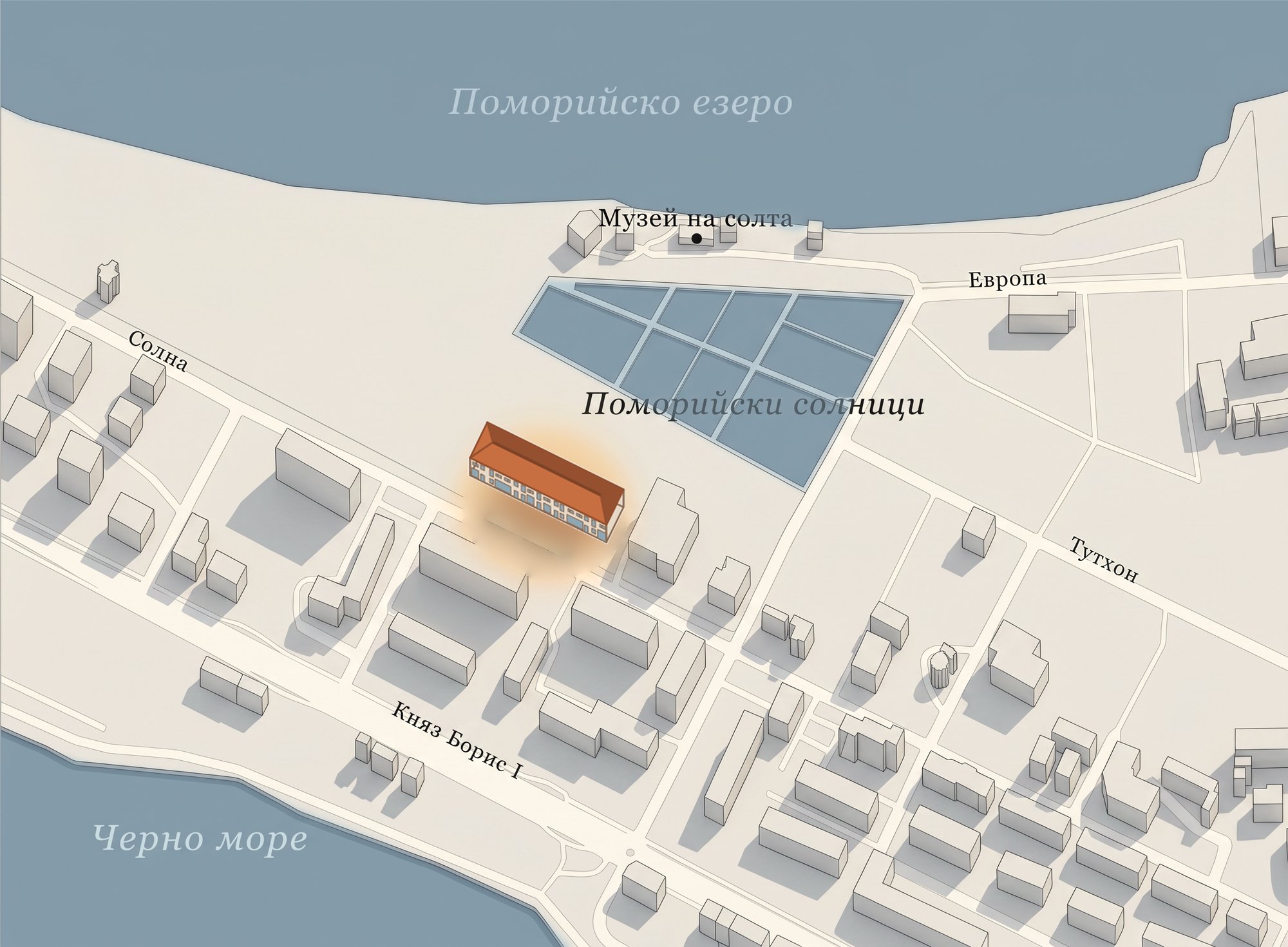
Ask for: the general meeting minutes setting the contributions and how they are split (Arts 11 and 51 ZUES); the document showing whether there are any debts to the condominium, which the manager issues to an owner on request (Art. 23(1)(12) ZUES); the monthly contribution to the repair fund (Art. 50 ZUES); who runs the building and, if it is a professional manager, whether they are registered and when their contract ends; in a gated complex, the Art. 2 ZUES contract and whether it is registered; and the building's technical passport (Art. 52 ZUES). After buying, you have 15 days to file a declaration for entry in the condominium book (Art. 7(3) ZUES). The other checks on the property are in checks on a seaside property before you buy. If you are considering an apartment at Solna 59, ask us about the documents on these points.
Frequently asked questions
Do I pay anything if the apartment stands empty most of the year?
It depends on how costs are split. Where they are split per person (Art. 51(1) ZUES), a unit occupied for up to 30 days a year pays management and maintenance costs as for one owner, user or occupant. Contributions to the "Repair and Renovation" fund are paid according to your share of the common parts (Art. 6(1)(9) ZUES).
Can a contract with a professional manager be open-ended?
No. It runs for up to two years; a clause on automatic renewal or an open-ended term is void (Art. 19(8) ZUES). When buying, ask when the current contract ends.
Do new owners have to register anywhere?
Yes — in the condominium book: the declaration is filed within 15 days of acquiring the property, and also when you let it (Art. 7(3) ZUES).
How do I find out whether the seller owes contributions?
Ask them to obtain from the manager the standard document showing whether there are any debts to the condominium (Art. 23(1)(12) ZUES) and to show it to you before signing.
Is a gated-complex contract binding on the next buyer?
Yes. A registered Art. 2 ZUES contract can be enforced against later buyers — so read it before you sign.